Security operations for AMI: monitoring keys, events and tenants
Executive summary
Smart metering estates are now part of critical infrastructure. They hold customer data, carry commands that can disconnect supply or close a gas valve, and depend on millions of cryptographic keys. Yet in most utilities, security monitoring for metering is split across head-end systems that each log events differently.
This paper sets out how to run security operations for Advanced Metering Infrastructure (AMI) as one discipline: one event stream, one view of key health, strong tenant isolation and an audit trail that regulators trust.
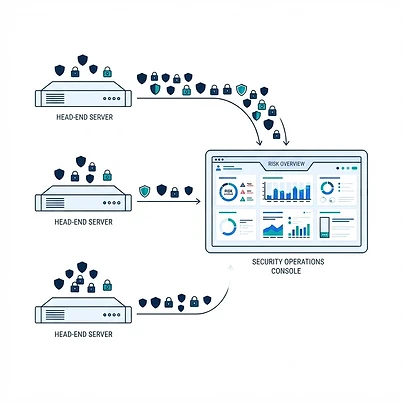
1. Why AMI security is hard to see
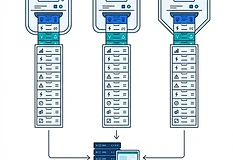
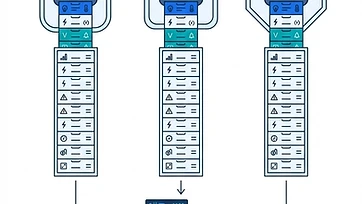
- Different event formats: each vendor names, scores and timestamps security events in its own way
- Split key management: keys are generated, stored and rotated in different systems with no shared record
- High-impact commands: disconnects, valve closures and mass firmware updates can be issued from several consoles
- Evidence on request: audit evidence is assembled by hand when a regulator or customer asks
- Fragmented tooling
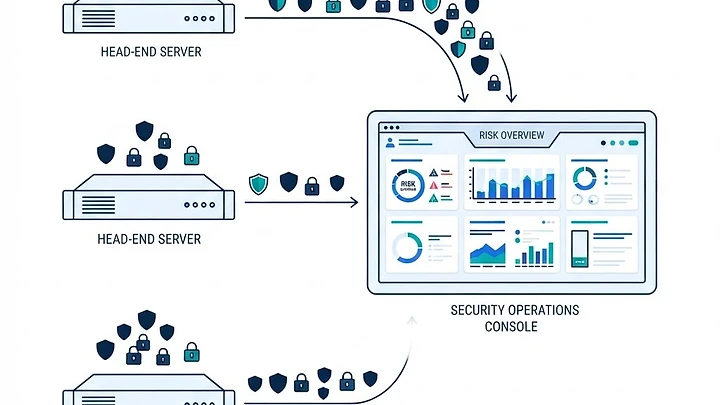
- Unified security operations
2. One normalised event stream
The first step is to bring every security-relevant event into one stream with common definitions: authentication failures, invalid frame counters, tamper alarms, unexpected configuration changes, firmware signature failures and command executions.
Normalisation makes correlation possible. A burst of authentication failures on meters from two vendors behind the same concentrator is one incident, not two.
3. Key lifecycle monitoring
Every DLMS/COSEM association depends on keys. Losing track of them is one of the most common gaps in AMI security.

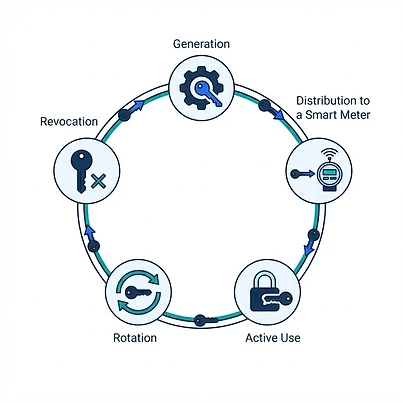
Track for each meter and association:
- Generation and source of each key
- Distribution and confirmation that the meter accepted it
- Usage, including which operator or system used it and when
- Rotation against policy, with overdue keys flagged automatically
- Revocation when a meter is removed, replaced or suspected compromised
4. Tenant isolation and least privilege
Where one platform serves several utilities, business units or client estates, isolation must be structural, not just a filter in a report.

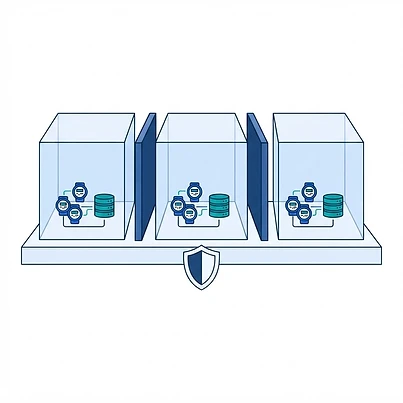
- Separate data and keys per tenant, with no shared access paths
- Role-based access so analysts, field coordinators and administrators see only what they need
- Four-eyes approval for disconnects, valve operations and bulk firmware updates
- Time-limited elevated access, logged and reviewed
5. An audit trail regulators trust
Every command, configuration change, key operation and access decision is written to an immutable log with who, what, when and why. Reports for regulators, auditors and customers then become a query rather than a project.
6. A staged path
- Months 0 to 3: connect security events from every head-end and publish one risk view
- Months 3 to 6: add key lifecycle tracking and overdue-key alerts
- Months 6 to 12: enforce approvals for high-impact commands and automate audit reporting
Conclusion
AMI security does not need another tool per vendor. It needs one operating view of events, keys, tenants and commands. Read more about our security approach and security architecture, or request a demo.
Figures marked illustrative are indicative examples and not results from a specific customer.
How smoc.cloud helps
Security operations across a multi-vendor AMI estate means watching keys, events and access in one place. smoc.cloud gives the security team that visibility without stitching vendor logs together.
- Spot it
Monitor keys, events and tenants
Key lifecycles, security events and access activity across all head-ends are monitored centrally, with alerts for expiring keys and unusual behaviour.
- Find the root cause
Correlate to find the real threat
Events are linked across meters, networks and users, so a coordinated pattern stands out from routine noise and the affected scope is clear.
- Fix it
Respond with evidence
Containment actions, key rotation and access changes are tracked in an immutable audit trail, producing compliance evidence on demand.
Critical national infrastructure obligations mean security events need to be visible across every vendor. One normalised stream makes NIS-style reporting a report, not a project.
DNOs: how smoc.cloud helpsOne email a month with new articles, whitepapers and field notes on running smart metering estates. Unsubscribe at any time.