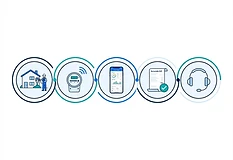
Your meters are reporting. Is anyone acting on it?

The data is there. The value is not.
Smart meters report around the clock. Head-end systems collect the readings, MDMS platforms validate them, and dashboards show them. Yet in most utilities, the business case for investing in metering operations still struggles in budget review.
The reason is simple: nobody has added up what poorly run operations actually cost.
The hidden cost lines
Every estate carries the same quiet losses:
- Missed reads that turn into estimated bills, customer complaints and rework
- Manual truck rolls sent because nobody could diagnose the fault remotely
- Exceptions that sit in a queue for weeks while ownership is unclear
- Compliance effort spent assembling evidence by hand from several vendor consoles
Each one has a cost. Taken together, they are often the largest controllable expense in a metering programme.
Putting operations in one room
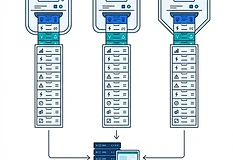
A Smart Metering Operations Centre (SMOC) brings those signals together: read rates, alerts, network health, firmware, security events and field work, across every vendor. When operators can see the whole estate, they can fix root causes instead of symptoms.
Operations in one room, with the ROI math visible.
Making the number visible
The step most teams skip is measuring. Track avoided truck rolls, first-time-fix rates and time-to-resolve exceptions from day one. That turns operations from a cost centre into a line that finance can see paying back.
Next step
If you run metering operations, share this with whoever signs off your budget, then request a demo to see the numbers on your own estate.
How smoc.cloud helps
Meter data only has value when someone acts on it. smoc.cloud turns the raw stream of events into a short, prioritised list of things to do, each with a value attached.
- Spot it
Surface what matters
Instead of thousands of raw alarms, smoc.cloud raises a small number of correlated incidents, ranked by how many meters and customers they affect.
- Find the root cause
Explain why it is happening
Each incident shows its likely root cause in the estate, such as a failing concentrator, a cell outage or a firmware fault, with the evidence behind it.
- Fix it
Assign, act and show the value
Incidents go to the right team with a recommended action, and the platform tracks the reads recovered and visits avoided once they are resolved.
Truck rolls and missed reads across millions of electricity meters add up fastest on distribution networks. Make avoided visits your first tracked KPI.
DNOs: how smoc.cloud helpsOne email a month with new articles, whitepapers and field notes on running smart metering estates. Unsubscribe at any time.