Three protocols and two dashboards is not visibility
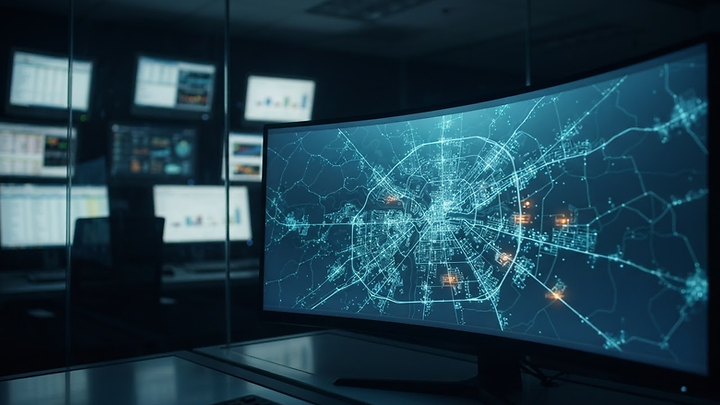
The typical setup
Most utility operations teams run some version of the same stack: one tool for protocol ingestion, another for field service and a spreadsheet holding the rest together.
It works on a quiet day. It breaks when something big happens.
When 40,000 meters go dark
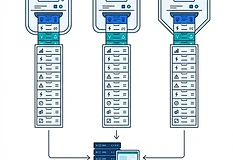
Picture an overnight event that takes tens of thousands of meters offline. Someone has to log in to three systems, export data, line up timestamps and work out whether it is a network fault, a head-end issue or a firmware problem.
That delay is the real risk. Not the outage itself, but the time it takes to see it happening.
What one operations view changes
- One login instead of several vendor consoles
- One timeline that orders events from meters, networks and head-end systems
- One picture of the estate, whether you run under 100k meters or over 1M
- Faster root cause, because correlated events point to the shared cause
Visibility is not the number of dashboards you have. It is how quickly you can answer: what is actually happening right now?
See your whole estate
smoc.cloud brings ingestion through to field management into one operations view. Request a demo to see your whole estate, not just the parts your current tools can reach.
How smoc.cloud helps
When an estate runs on several protocols and vendor consoles, outages hide in the gaps between them. smoc.cloud brings every vendor, network and head-end into one operational view.
- Spot it
See the whole estate at once
Meters from every vendor and protocol appear on one live view, so 40,000 meters going dark is visible in minutes, not after the morning reports.
- Find the root cause
Find the common cause across tools
Events from different head-ends and networks are correlated, so a dropout spanning two systems is traced to one shared cause instead of being investigated twice.
- Fix it
Coordinate one response
One incident, one owner and one timeline replace parallel investigations, with status shared across operations, network and field teams.
Mixed PLC, RF mesh and cellular networks are where blind spots hide. One timeline across them cuts the time to locate network-wide events.
DNOs: how smoc.cloud helpsOne email a month with new articles, whitepapers and field notes on running smart metering estates. Unsubscribe at any time.