All resources
Blog · 22 Oct 2026 · 5 min read · smoc.cloud team

DLMS/COSEM and IEC CIM: how the two standards fit together

DLMS/COSEM describes what a meter holds. IEC CIM describes how utility systems exchange that data. Operations platforms need both.

Two layers of interoperability

DLMS/COSEM standardises the data inside the meter, using OBIS identifiers for every value and event.

IEC CIM standardises how enterprise systems such as MDMS, HES and work management exchange information.

Why operations needs both

An operations layer reads vendor-specific events, normalises them using DLMS/COSEM semantics, and publishes them to the rest of the utility using CIM messages. That is what removes the per-vendor integration tax.

How smoc.cloud helps

DLMS/COSEM tells you what a meter holds and IEC CIM tells systems how to exchange it. smoc.cloud bridges the two, so data keeps its meaning from the meter to the enterprise.

  1. Spot it

    Catch mapping and data issues

    smoc.cloud checks that OBIS objects arriving from meters map cleanly to CIM messages, and flags missing, malformed or mismatched values.

  2. Find the root cause

    Trace a bad value to its origin

    When a downstream system receives the wrong data, lineage through the information model shows whether the cause is the meter profile, the head-end or the integration mapping.

  3. Fix it

    Standard interfaces, fewer custom fixes

    A single information model with standard CIM and MultiSpeak interfaces removes one-off point-to-point mappings that break with every new meter type.

What this means for you

IEC 61968-9 messages let your operations layer talk to MDMS, outage and work management systems in one predictable way, which keeps network events and meter events on the same page.

DNOs: how smoc.cloud helps
The Metering Operations Brief

One email a month with new articles, whitepapers and field notes on running smart metering estates. Unsubscribe at any time.

Join the conversation on LinkedIn

Open on LinkedIn
Nov 18, 2026

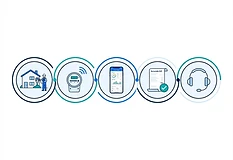
Customers never see your head-end. They see their bill. A commissioning that stalls. A meter that quietly stops reading. A register that drifts. None of it reaches the customer straight away. Weeks later it arrives as an estimated bill and a call to the contact centre. Our new whitepaper follows five moments that shape the customer experience, from installation to support, and shows where operations decide whether each one goes right. Which stage generates most of your metering complaints? #CustomerExperience #SmartMetering #Utilities

Nov 18, 2026

Two meters. Both fully DLMS/COSEM compliant. Different object lists, different event codes for the same power failure, different load profile settings. Compliance gives you a common language. It doesn't give you a common vocabulary. That's the gap the DLMS UA Generic Companion Profile closes: standard objects and behaviours that every model implements the same way. Fewer custom integrations, faster onboarding of new models, less lock-in. Our new whitepaper explains what it means for the metering business, not just the engineers. #DLMS #SmartMetering #Standards

Nov 17, 2026

If you're a utility lead, your IT and compliance teams will ask about security before you ever get to features. They should. Metering platforms touch critical infrastructure and customer data. A good demo answers the hard questions early: how the platform is secured, how it handles compliance, how it fits protocols you already run. What's the first question your IT team asks about a new platform? #UtilityOperations #SmartMetering #CyberSecurity

next_step

See your estate in smoc.cloud.

A demo walks through your utility types, your vendors and your compliance obligations — not a generic slide deck.